


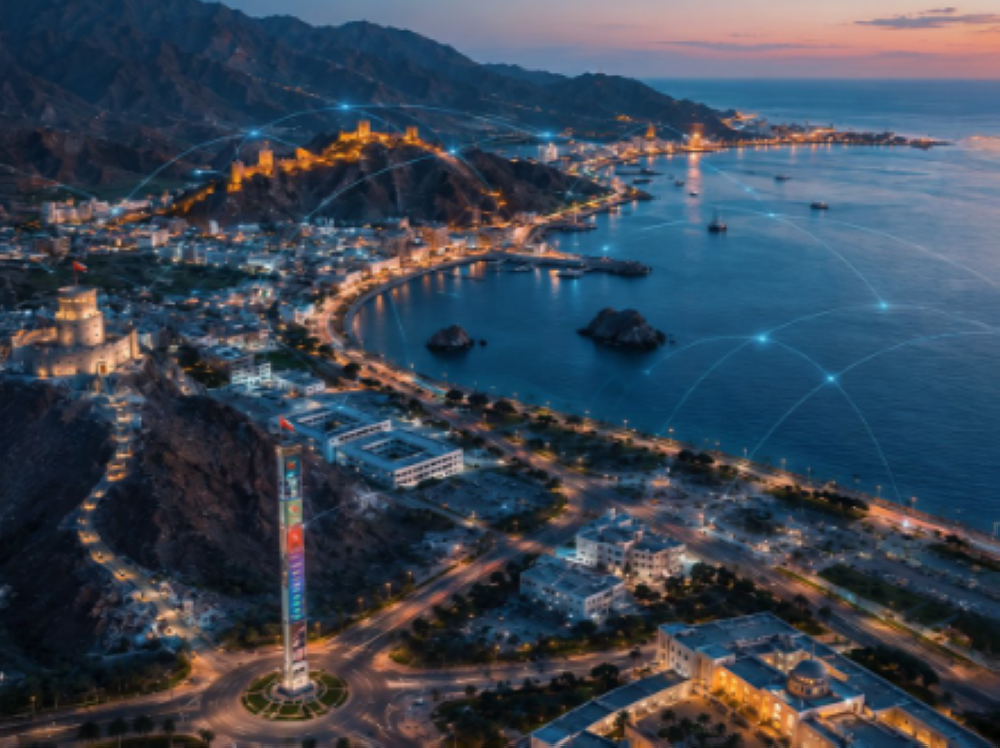
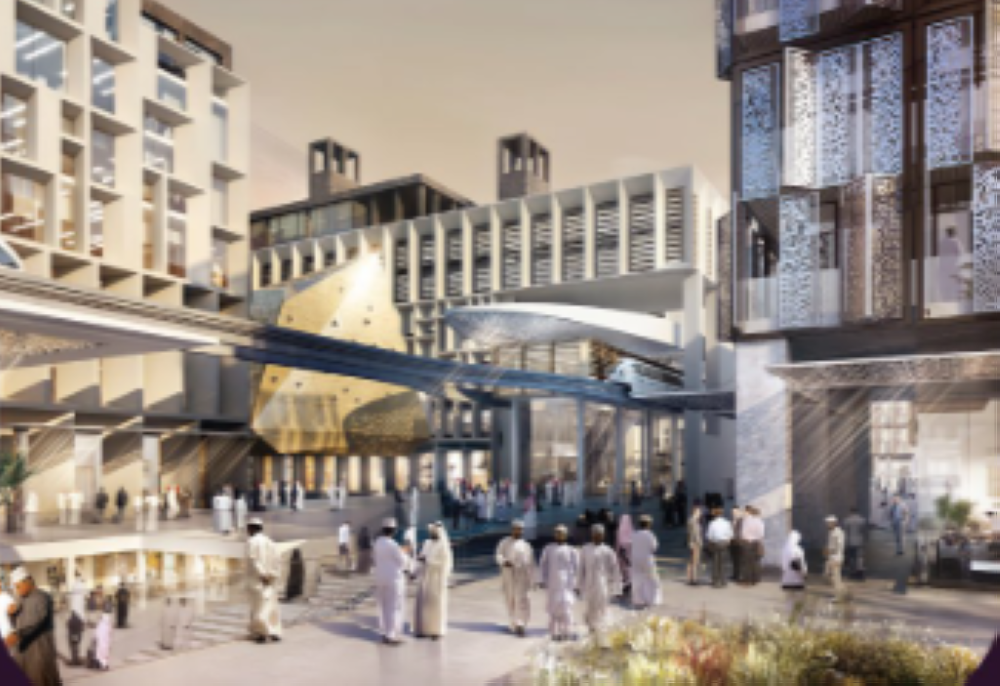





Muscat: The planning of the capital Muscat has been evolving since the 1970s, the Greater Muscat is said to be a tangible embodiment of the Sultanate of Oman’s national ambitions, as it currently accounts for one-third of the national economy and one-third of the population (30%) in Oman.
It has the largest concentration of talent and the most advanced infrastructure within an integrated urban system that supports growth and expansion.
The Muscat City planning timeline:
1970: With 120,000 residents, the coastal capital entered the modern era.
1982: Capital Area Plan. As the population grew, the capital expanded westwards, and the "Capital Area Plan" was introduced.
2000: By the time Muscat had reached 660,000 residents, the city had become a regional hub.
2016: As Muscat reached 1.2 million residents, the National Spatial Strategy, a long-term framework for growth, was launched.
2022: With 1.4 million residents, housing and services were becoming increasingly strained by population pressure.
2025: The 1.5 million population benchmark was marked by the approval of the Greater Muscat Structure Plan.
The population of the Greater Muscat, which was 1.4 million in 2022, will be 2.1 million by 2040, with the percentage of the Omani population going up from 41% to 69% and the expatriate population dropping from 59% to 31%.
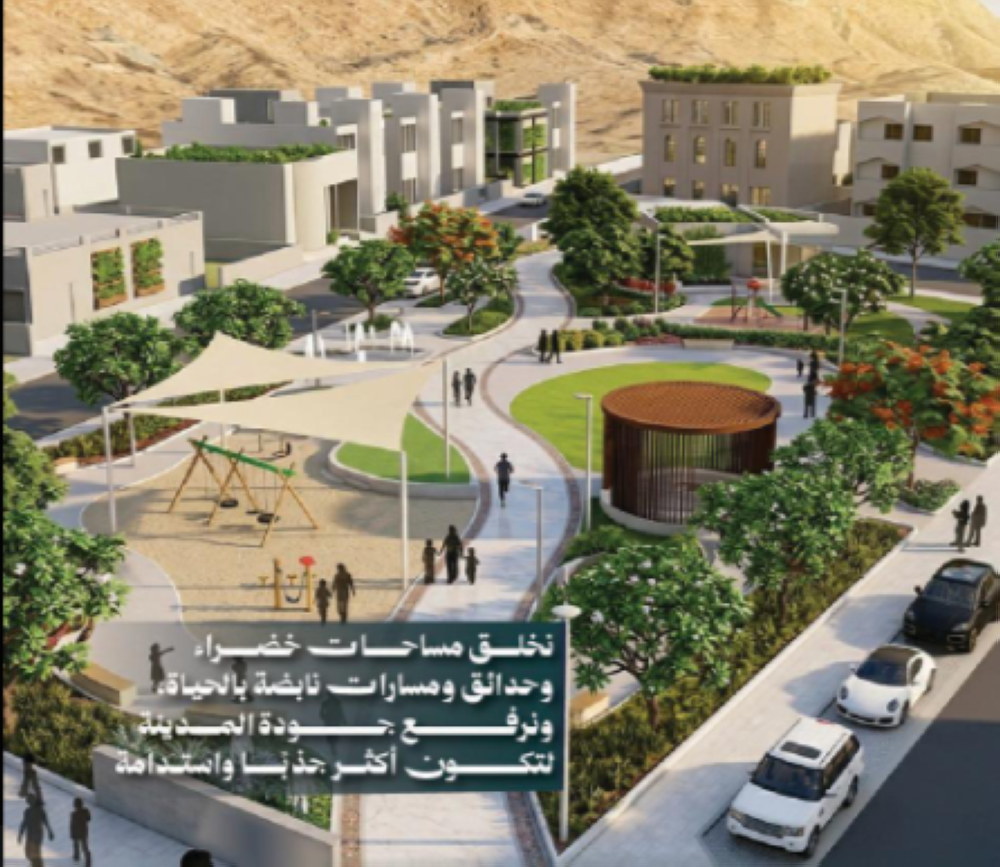
Greater Muscat will be defined by stability, social cohesion with family-oriented neighbourhoods, civic institutions, and a clear commitment to quality of life.
The Greater Muscat Structural Plan is now entering a decisive delivery phase with major investment in transport and flagship districts.
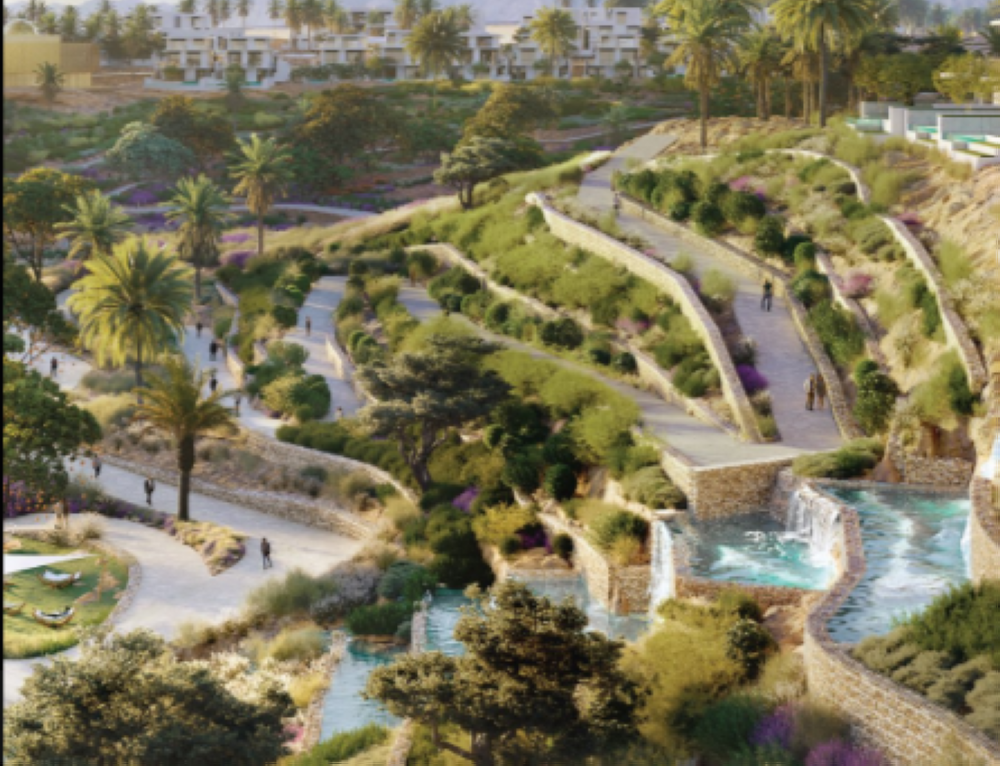
The key projects in Greater Muscat are Sultan Haitham City, A’Thuraya City, Al Khuwair Downtown, Airport City Freezone, Khazaen Economic City, Metro Densification Corridor, Ports, Logistics & Tourism anchors, Yiti Sustainable City, Aida, Port Sultan Qaboos Waterfront, Yamal, Muscat, Four Seasons Hotel & Private Residences, Muttrah Heights, Madinat al Irfan, Opera District Development, Muscat Arts District (MAD), Green & Advanced Manufacturing Cluster in Rusayl & AL Misfah, Khazaen Economic City (KEC), Muscat Airport City Freezone (MAFZ), Metro Mixed-use Corridor Sites & TODs, Oman Botanic Garden (OBG) and Carbon Capture Parks for Carbon Credit.
Greater Muscat will create 1,800,000 jobs in 2040 against 890,000 jobs in 2020 and contribute to 41% of non-oil GDP, estimated at around RO44.2 billion by 2040.
Public transport will contribute to a 44% reduction in greenhouse gas emissions as reliance on private vehicles will drop from 92% to 60% by 2040. 80% of services will be within walking distance.
The economic clusters will be the Knowledge & Innovation Corridor, Rusayl & Al Misfa Green & Advanced Manufacturing Cluster, Ghala Business & Finance Cluster, Al Amerat Sports & Innovation Cluster, Resorts & Villages Tourism Cluster, Barka Agro-Food Cluster, Khazaen Economic City, Al Amerat Education & Skill Development District, Ruwi Tourism Innovation Cluster, Airport City, Wadi Al Kabir Industrial SME Development Cluster, Al Mabaila Green Industry Cluster, Knowledge & Innovation Corridor, Medi-Mixed Use District, Fishing & Aquaculture Cluster of Barka and Al Amerat Industrial SME Development Cluster.
Greater Muscat plans will also ensure that 98% of treated water is utilised across the city, 750km of new and upgraded utility networks, apart from the coastal management schemes.
Oman Observer is now on the WhatsApp channel. Click here


